Why Are My Teeth Shifting Even Though I Had Braces Before?
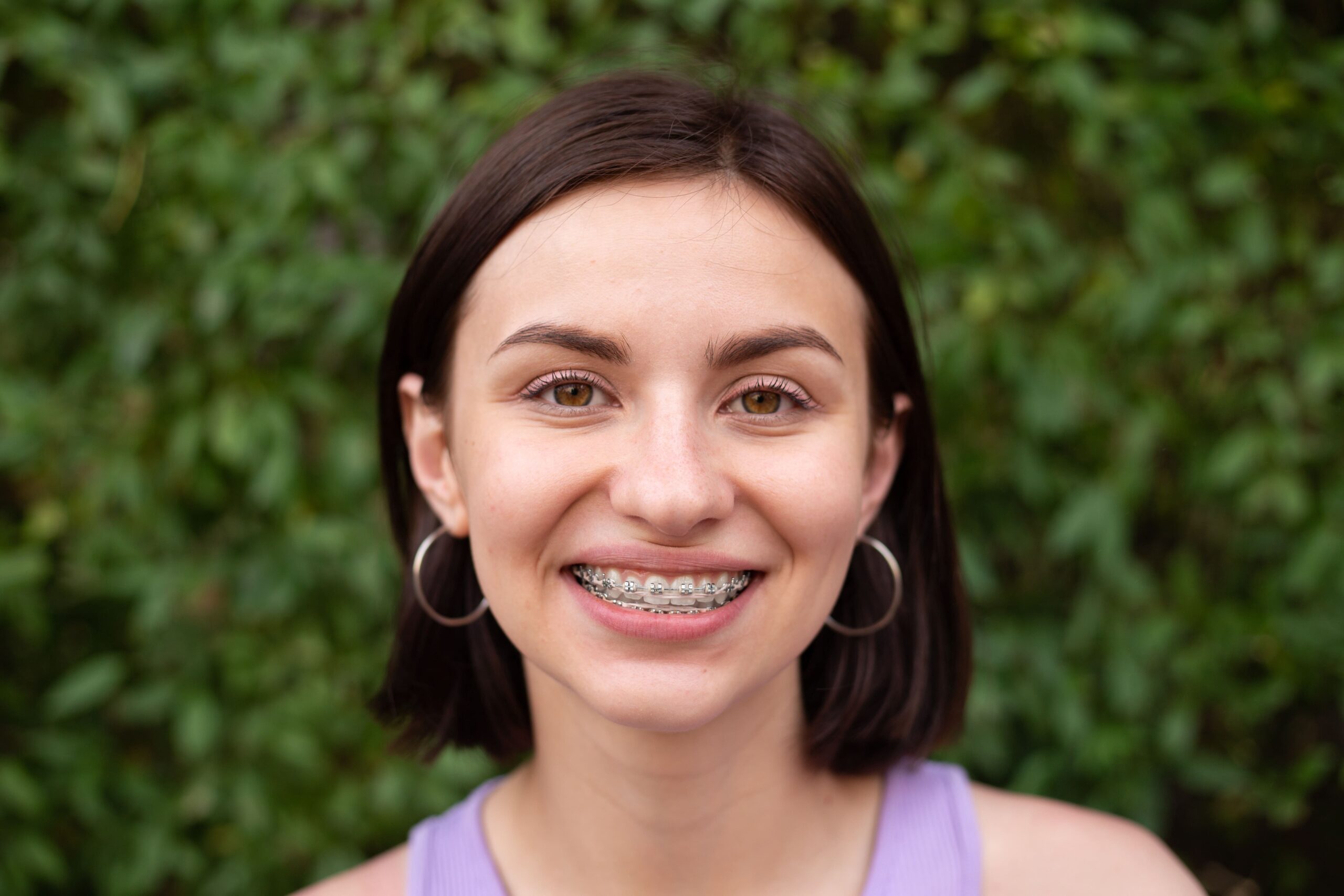
It’s a frustrating feeling: you went through braces, wore them for months or years, got your teeth straightened, and now—slowly or suddenly—things don’t look quite the same. Maybe a front tooth is drifting. Maybe there’s a small gap again. Or maybe your bite just feels a little off compared to right after treatment.
If this sounds familiar, you’re not alone. This is one of the most common concerns people bring up after orthodontic treatment, and it’s something clinicians at Urban Orthodontics see regularly in follow-ups and consultations across Union City, Jersey City, and Bayonne.
The short answer is this: teeth shifting after braces is normal to some degree—but noticeable movement usually means something specific is going on. Let’s break down why it happens and what can be done about it.
Teeth Are Always Under Pressure (Even After Braces)
One of the biggest misconceptions about orthodontic treatment is that teeth are “locked” into place once braces come off. In reality, teeth are never completely fixed in one position.
They are held in place by a living system called the periodontal ligament and surrounding bone. That system is constantly responding to pressure from chewing, speaking, grinding, and even natural aging changes in the jaw.
After braces, teeth are especially “receptive” to movement because the bone and ligaments are still stabilizing around their new positions. That’s why retention is such an important phase of treatment.
The Retainer Phase Is Doing More Work Than You Think
If there’s one factor that explains most post-braces shifting, it’s retention.
Retainers are designed to hold teeth in their corrected positions while the surrounding bone stabilizes. But here’s the key detail: retention is not temporary. It’s long-term maintenance.
Some common situations that lead to shifting include:
- Not wearing retainers consistently
- Outgrowing or damaging a retainer and not replacing it
- Only wearing retainers for a short time after treatment
- Gradually reducing wear time too soon
Even small gaps in retainer use can allow teeth to begin drifting again. This is especially true in the first few years after braces, when teeth are still settling.
Many patients searching “retainer not fitting anymore” or “teeth moved after braces” are actually experiencing this exact issue.
Natural Aging Can Change Your Bite Over Time
Even if you were very compliant with your retainer, some movement can still happen as the years go by. This is due to natural changes in the mouth and jaw.
As people age, the lower front teeth are particularly prone to crowding. The jaw itself can continue to grow slightly or shift, especially in the late teens and early adulthood. These small changes can gradually affect alignment.
So even in patients who had excellent orthodontic results, mild shifting over time is not unusual.
Wisdom Teeth Are Not Always the Main Cause
A lot of people assume wisdom teeth are responsible for shifting after braces. While they can contribute in some cases, they are rarely the sole cause.
Research shows that most post-braces crowding happens even in patients who never develop wisdom teeth or have them removed. The real issue is usually a combination of natural drift, retainer wear, and long-term bite forces.
That said, wisdom teeth can still play a role in crowding or pressure in the back of the mouth for some patients, which is why they are evaluated as part of long-term orthodontic care.
Grinding and Clenching Can Slowly Move Teeth
Another overlooked cause of shifting is bruxism—nighttime grinding or clenching.
When you grind your teeth, you are applying continuous force across your bite. Over time, that pressure can contribute to subtle movement, especially in the front teeth.
Patients often don’t realize they grind their teeth until they notice symptoms like jaw soreness, headaches, or flattened tooth surfaces. In orthodontic cases, this pressure can slowly influence alignment even after braces.
Bite Changes Can “Push” Teeth Out of Alignment
Your bite is a dynamic system. Even small changes in how your upper and lower teeth meet can affect long-term stability.
If certain teeth take on more pressure during chewing, they may slowly shift in response. This is why orthodontists carefully balance bite relationships at the end of treatment.
Without proper bite stability, teeth may naturally drift toward a more comfortable—but less ideal—position over time.
What Kind of Shifting Is Normal vs. Concerning?
Not all movement is a problem. Slight changes over many years are expected. But certain signs suggest you may need an evaluation:
- Noticeable crowding returning in the front teeth
- Gaps reopening that were previously closed
- A bite that feels different when chewing
- Retainer no longer fitting properly
- Visible rotation of one or more teeth
These are situations where orthodontic reassessment can help prevent further movement and determine if minor correction is needed.
Can Teeth Be Re-Straightened After Moving?
Yes. The good news is that teeth can usually be re-aligned even if they’ve shifted after braces. Treatment options depend on how much movement has occurred.
Some patients only need a short phase of clear aligners or minor adjustments. Others may benefit from a more structured treatment plan if changes are more significant.
This is why follow-up care is important—even years after your original braces treatment.
How to Prevent Future Shifting
Preventing future movement is often simpler than correcting it again. The most important step is consistent retainer use.
Most Jersey City orthodontists recommend long-term or even lifetime nighttime retainer wear. It may sound like a lot, but it’s the most reliable way to maintain results.
Other helpful habits include:
- Replacing lost or worn retainers quickly
- Attending periodic orthodontic check-ins
- Addressing grinding habits if present
- Monitoring bite changes over time
Think of retention less like a short phase and more like maintenance for your smile.
When to Get Your Bite Checked in New Jersey
If you’re noticing shifting teeth and live near Union City, Jersey City, or Bayonne, it’s worth getting an evaluation sooner rather than later. Small changes are much easier to correct than long-term movement that has fully settled in.
At Urban Orthodontics, patients are regularly seen for post-braces evaluations, retainer issues, and minor realignment cases. Many of these visits are quick and focused on preventing small problems from becoming bigger ones.
Whether it’s a retainer that no longer fits or a bite that feels slightly off, early assessment can make a big difference.
Urban Orthodontics: Keeping Your Smile Stable Long-Term
Orthodontic treatment doesn’t really end the day braces come off—it transitions into maintenance. That’s where long-term stability is protected.
Keep Your Smile Straight with Urban Orthodontics
If your teeth are shifting after braces, or you simply want to make sure everything is still on track, schedule a visit with Urban Orthodontics.
With locations in Union City, Jersey City, and Bayonne, the team provides ongoing orthodontic care, retainer support, and treatment options designed to keep your smile aligned for the long run.